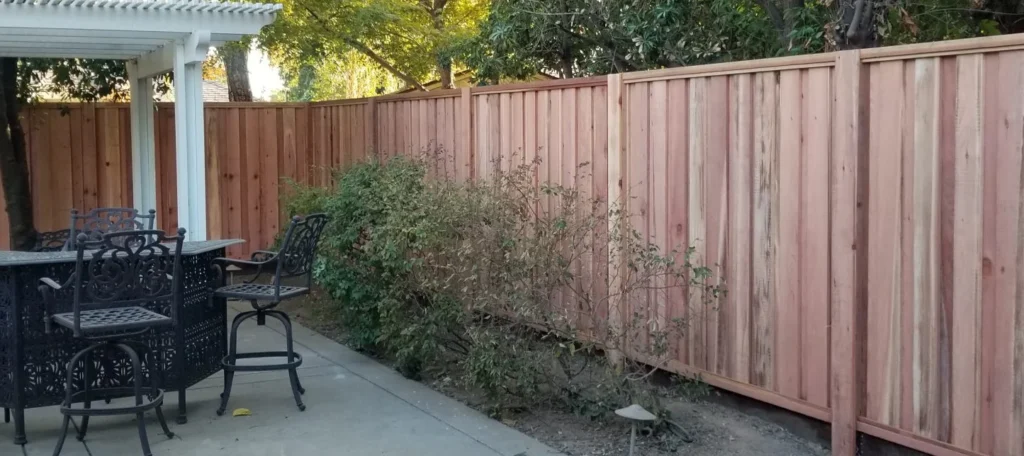


First impressions matter, and your home’s exterior sets the tone for how visitors, neighbors, and potential buyers perceive your property. While many homeowners focus on landscaping, paint colors, and architectural details, one element that significantly impacts curb appeal is often overlooked: fencing. A well-chosen wood fence doesn’t just provide privacy and security – it serves as a design statement that reflects your home’s personality and enhances its overall aesthetic appeal. The Art of Curb Appeal: How Wood Fencing Styles Reflect Your Home’s Personality
Understanding how different wood fencing styles complement various architectural styles can transform your property from ordinary to extraordinary. Let’s explore how the right fence choice can become a defining feature that elevates your home’s curb appeal while expressing your personal style.
Understanding Your Home’s Architectural Language
Reading Your Home’s Design DNA
Every home has its own architectural language – a collection of design elements, proportions, and materials that create its unique character. Before selecting a fence style, it’s essential to understand what your home is saying. Is it a formal Colonial that speaks of tradition and symmetry? A cozy Craftsman that emphasizes natural materials and handcrafted details? Or perhaps a sleek Contemporary that celebrates clean lines and minimalist aesthetics?
Your fence should speak the same design language as your home, creating a cohesive visual narrative that enhances rather than conflicts with your property’s existing character. This harmony between architectural styles and fencing choices is what separates professionally designed properties from those that feel disjointed or confused.
The Role of Proportion and Scale
Proportion plays a crucial role in how your fence interacts with your home’s architecture. A massive eight-foot privacy fence might overwhelm a charming ranch-style home, while a delicate picket fence could look insignificant next to a grand two-story Colonial. The key is finding the right balance that complements your home’s scale and presence.
Consider your home’s height, the size of your lot, and the relationship between your house and street when determining appropriate fence proportions. A fence that’s properly scaled to your home will enhance its presence rather than competing with it for attention.
Classic Fence Styles and Their Architectural Partners
The Timeless Picket Fence
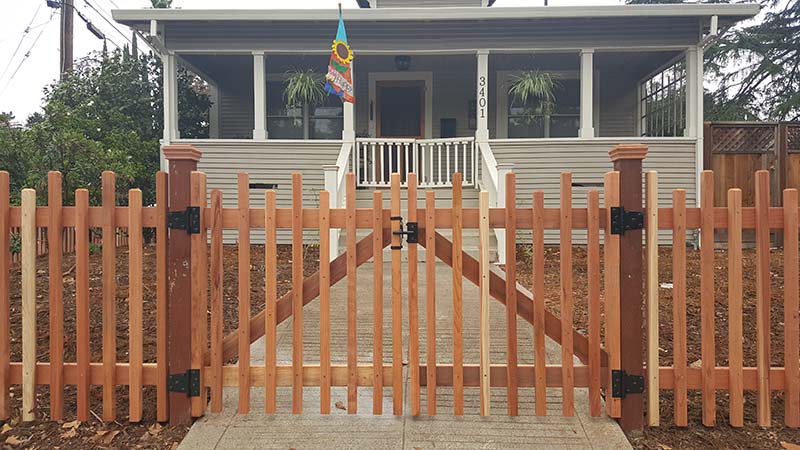
The picket fence remains one of America’s most beloved fencing styles, conjuring images of cottage gardens and suburban charm. This classic design features vertical boards (pickets) attached to horizontal rails, creating a rhythmic pattern that’s both welcoming and defined.
Picket fences work beautifully with Colonial, Cape Cod, and Victorian homes, where their traditional proportions and formal geometry complement the structured nature of these architectural styles. The height of picket fences – typically 3-4 feet – creates a sense of enclosure without feeling imposing, making them perfect for front yard applications where you want to define space while maintaining neighborhood friendliness.
Consider customizing your picket fence with decorative tops, varying picket widths, or curved sections that follow landscape contours. These details can make a standard picket fence feel unique while maintaining its classic appeal.
Board-on-Board: Privacy Meets Sophistication
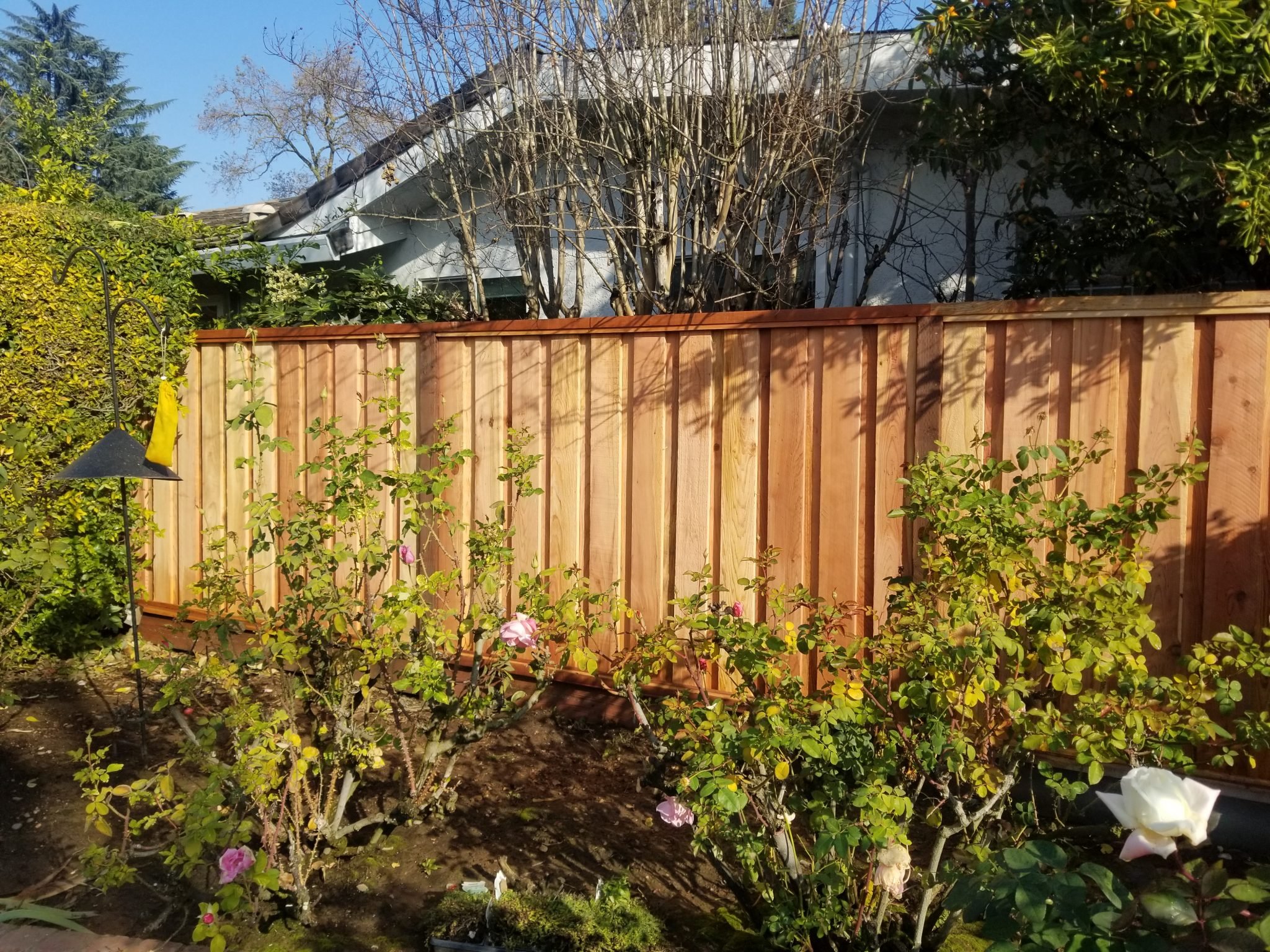
Board-on-board fencing offers a more substantial presence while maintaining an attractive appearance from both sides. This style features vertical boards alternating on each side of the fence frame, creating complete privacy while allowing air circulation and preventing the solid, wall-like appearance of some privacy fences.
This style works exceptionally well with Craftsman, Ranch, and Contemporary homes where the clean lines and substantial presence complement the architectural emphasis on horizontal elements and natural materials. The alternating board pattern creates visual interest and shadow play that adds depth to your property’s perimeter.
Horizontal Slat Fencing: Modern Elegance
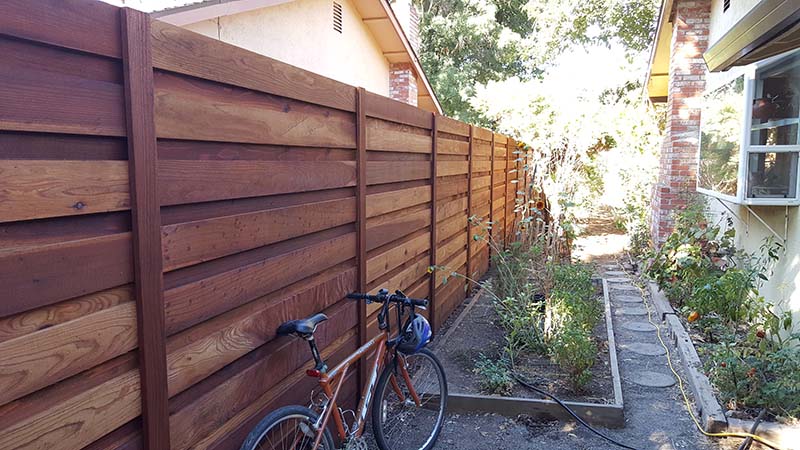
Horizontal slat fencing has gained popularity in recent years, particularly among homeowners with Contemporary, Mid-Century Modern, and Transitional homes. This style features horizontal boards spaced evenly across the fence frame, creating strong horizontal lines that can make your property appear larger while providing a distinctly modern aesthetic.
The spacing between slats can be adjusted to control privacy levels while maintaining the clean, geometric appearance that defines this style. Wider spacing creates a more open feel, while tighter spacing provides greater privacy without sacrificing the modern aesthetic.
Split Rail: Rustic Charm
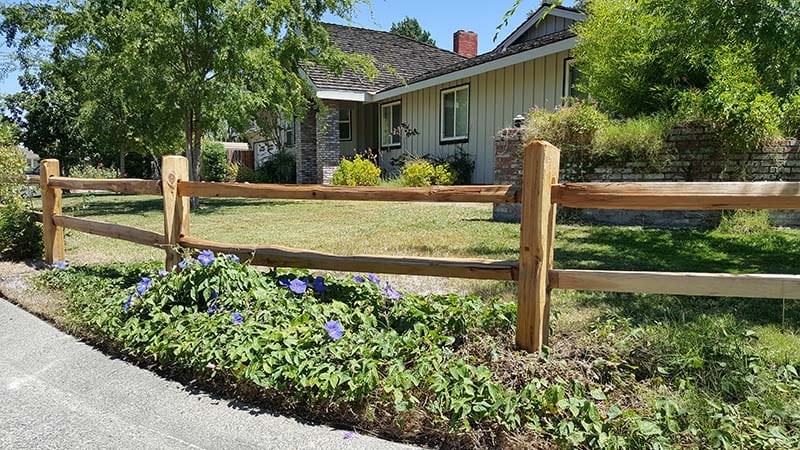
Split rail fencing brings a rustic, countryside aesthetic that works beautifully with Ranch, Log, and Farmhouse-style homes. This style features horizontal rails that rest in notched posts, creating a casual boundary that’s perfect for larger properties or rural settings.
While split rail fencing doesn’t provide privacy or security, it excels at defining property boundaries and creating a welcoming, approachable feel. It’s particularly effective when combined with landscaping elements like wildflower gardens or natural stone accents.
Top-Quality Fence Materials
Redwood: Luxury and Longevity
Redwood represents the luxury end of wood fencing materials, offering exceptional durability and stunning natural beauty. Its rich red tones and straight grain patterns create a premium appearance that’s perfect for high-end homes or properties where the fence serves as a major design feature.
While redwood requires a significant investment, its natural weather resistance and longevity make it cost-effective over time. The material’s inherent beauty means many homeowners choose to leave redwood fences unstained, allowing them to weather naturally.
Color and Finish Considerations
Natural Beauty vs. Painted Perfection
Choosing between natural wood finishes and painted surfaces depends on your home’s style and maintenance preferences. Natural finishes celebrate wood’s inherent beauty while requiring periodic re-staining to maintain their appearance. Painted finishes offer unlimited color options and can create dramatic design statements, but they require more frequent maintenance.
Consider your home’s existing color palette when making this decision. A natural cedar fence might perfectly complement a home with stone or brick accents, while a painted white fence could create stunning contrast against dark siding.
Stain Colors That Enhance Architecture
Semi-transparent stains offer the best of both worlds, allowing wood’s natural grain to show through while providing color consistency and weather protection. Popular stain colors include warm browns that complement earth-toned homes, rich grays that work with contemporary designs, and natural cedar tones that enhance traditional architectural styles.
Planning for Long-Term Appeal
Maintenance Considerations
Different fence styles and materials require varying levels of maintenance to maintain their curb appeal. Consider your long-term maintenance commitment when choosing fence styles and materials. A natural redwood fence might require re-staining every 3-5 years, while a painted fence might need touch-ups every 2-3 years.
Seasonal Interest
Think about how your fence will look throughout the year. A fence that relies heavily on landscaping for visual interest might look bare during winter months, while one with inherent design details maintains appeal year-round.
Making Your Choice
Selecting the right wood fence style for your home requires balancing aesthetic preferences, practical needs, and budget considerations. The best choice is one that enhances your home’s natural character while meeting your specific requirements for privacy, security, and maintenance.
Consider consulting with fencing professionals who can help you visualize different options and understand how various styles will work with your specific property. They can also provide valuable insights about local building codes, material performance, and installation considerations that might affect your decision.
Your fence represents a significant investment in your home’s curb appeal and your family’s enjoyment of your property. Taking time to choose the right style and materials ensures that your fence will enhance your home’s personality and provide lasting satisfaction for years to come.
The Art of Curb Appeal: How Wood Fencing Styles Reflect Your Home’s Personality
Ready to enhance your home’s curb appeal with the perfect wood fence? Contact us today for a free consultation to explore how the right fencing style can reflect your home’s unique personality while adding lasting value to your property.